![clogo [1]](http://careerroot.in/wp-content/uploads/2018/10/clogo-1.png)
Benefits of hiring Asian Workers to Romania
LATEST UPDATES FROM EMBASSY OF ROMANIA
July 6, 2020A Solution for HORECA workers shortage in Romania
July 13, 2020Benefits of hiring Asian Workers to Romania
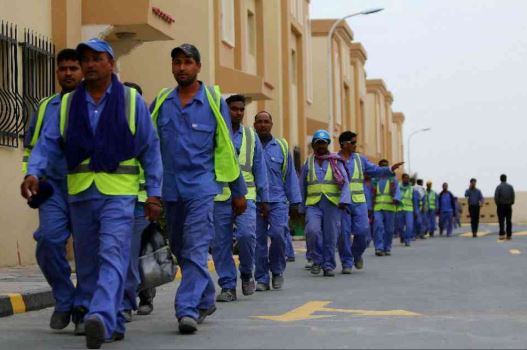
Source: BusinessreviewEU
Source: BusinessreviewEU
A survey from PwC’s benchmarking Saratoga project has revealed that Romania is facing an acute shortage of workforce in every sector. It also predicted that by the year 2023 to sustain the economic growth of 3.2%, Romania would need about one million extra workers.
In the last 2-3 years, most of the organizations in Romania have faced a lack of staff which has produced challenges in the day by day action of companies and the inconceivability of developing businesses.
The most common issue faced is the persistent reduction of the quantity of accessible local labourers, the diminishing level of skilled up workers, the fluctuation of staff, the lack of interest of the Romanian to obtain the job and to keep it, the increasing demand for salaries without any productivity or involvement and many more.
Romanians leave the nation to look through more significant salaries and professional fulfillment. This is one of the principal issues that businesses are confronting. Also, the level of migration is expanding rapidly and the staff shortage is also influencing such huge numbers of organizations that they are compelled to stop their business.
But recruiting Asian labourers (from countries like India and Nepal) settles a large portion of these issues and has many noteworthy advantages:
- Stability: Asian workers come to work for the long term and this ensures staff stability within the company.
- Seriousness: They are disciplined and respect authority, which is part of Asian culture.
- Financially motivated: Asian workers are satisfied with the salary offered to them from the Romanian employers as these are higher than their country of origin and on better working conditions.
- Cult of work: They are serious and hard working regardless of the field in which they work.
- Increased productivity: They can offer exceptional outcomes in the fields in which they work, in some cases in a shorter time, without trading off the quality of work being performed.
- Prolonged work: They come to a foreign land to work for a longer period of time.
- Won’t switch jobs: Asians are brought to Romania on a work permit for a particular company, so they are not allowed to switch jobs. Also, they do not have the language skills to find jobs outside.
Adaptability: Many Asians have the experience of working in different nations encountering various social and cultural differences. They have a linguistic background and can adapt to the English language easily.
Even the unskilled workers adapt quickly, perform their tasks sincerely, and team up very well with their bosses.
Recruitment of the Asian workforce includes some extra expenses but over the long term these expenses are secured and a higher profit can be acquired, because of halting the staff fluctuation, expanding efficiency and productivity, and the chance of business advancement.
